
Introduction
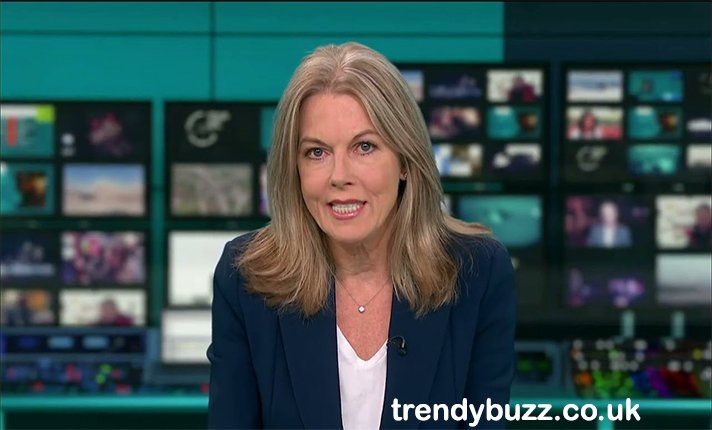
Mary Nightingale has been a familiar face on British television for decades as the anchor of the ITV Evening News. Her calm presence and professional delivery have made her one of the country’s most trusted broadcasters.
What has been reported
Over the years there have been media pieces and online posts about a health scare that affected Nightingale, often described in vague terms as a mystery condition that at one point prompted medical tests. Several recent retrospective pieces have focused on troubles with her voice and on how those episodes worried viewers and colleagues.
Rumours tests and outcomes
Some reports claim that tests were carried out amid fears of throat cancer, and that these stories spread through tabloids and blog networks. According to those accounts, the scans and biopsies that followed ultimately did not find a life threatening diagnosis. It is important to stress that much of this coverage stems from secondary sources rather than a single official medical statement.
The limits of public reporting
Reliable outlets have generally focused on Nightingale’s work and public appearances rather than on detailed medical disclosure. That absence of clear primary reporting leaves room for speculation, and smaller sites have sometimes filled the gap with conjecture or repetition of older claims.
Voice issues and career impact
A recurring theme in several articles is that the practical effect of Nightingale’s health concern was related to her voice, including hoarseness, fatigue and temporary inability to read live broadcasts. For a presenter, vocal problems are a real professional risk, and the pieces that examine her story frame the episode as a time when she had to adapt and rely on medical guidance and rest.
Misinformation and modern risks
In the current media landscape, public figures can also become targets of misinformation, deepfakes and unscrupulous online posts that amplify rumours. Some recent write ups about Nightingale note how the spread of unverified claims can mushroom online, and how careful readers should be about accepting every headline.
What Mary Nightingale herself has said
Publicly, Nightingale has not made extensive disclosures about any prolonged illness. Her on air appearances and professional biographies emphasize her work rather than private medical details. When journalists or colleagues have raised questions in public forums, her team has typically treated health matters as private, which is common for broadcasters.
How to read these stories
When assessing stories about a presenter’s health, look for primary sources: direct quotes, official statements from the broadcaster or the individual, or reputable outlets with clear sourcing. Many pages that appear when you search Mary Nightingale illness are opinion pieces, recycled blog posts or tabloids recounting earlier rumours. Those are useful for tracking the shape of the story but not for firm medical facts.
Why this matters
The public interest in a familiar newsreader’s wellbeing is understandable. High profile presenters operate in public view, and their health can affect broadcasting schedules and viewer trust. At the same time, privacy norms and medical confidentiality deserve respect. Responsible reporting balances curiosity with restraint and relies on confirmed information.
A broadcaster’s vulnerability
Television presenters live with a peculiar professional vulnerability. Their work depends on clear vocal performance, composure under pressure and the stamina to work irregular hours. When a presenter experiences hoarseness or vocal fatigue, it can affect programme planning, guest bookings and the simple rhythms of evening news. Even a non serious medical issue can carry outsized career consequences.
General context about voice problems
Hoarseness and temporary voice loss are common and often caused by treatable conditions such as laryngitis, vocal strain, reflux or infection. Rest, voice therapy and appropriate medical care resolve many cases. The public reporting about Nightingale focuses on the professional impact rather than detailed clinical data, and that framing appears to match the tone of the most careful write ups.
How employers and colleagues respond
Broadcasters and production teams commonly have contingency plans for presenter illness, including standby anchors, pre recorded segments and schedule adjustments. Colleagues often offer public support when a team member faces health worries, and viewers frequently respond with messages of care. Coverage of Nightingale’s situation in various outlets reflects that pattern of private treatment followed by public support when necessary.
A note on sources and responsible reading
Many of the webpages that appear in searches mix factual reporting with speculation. Some newer sites republish older claims without adding new confirmation, and social media can amplify partial or inaccurate narratives. That does not mean every non mainstream piece is false, but it does mean readers should weigh authority, date and source before drawing conclusions. When in doubt, rely on broadcaster statements or reputable mainstream outlets.
What supporters and readers can do
If you are a viewer concerned about a favourite presenter, the most constructive responses are empathy and patience. Send messages of goodwill through official channels, support quality journalism that respects privacy, and avoid sharing unverified medical claims. Those steps help protect individuals from invasive speculation and reduce the spread of misinformation.
Final note
Mary Nightingale remains a respected figure in British broadcasting. Public discussion of any presenter’s health is natural, but the available evidence about Nightingale’s illness is a patchwork of secondary reports, retrospective articles and routine professional updates. Readers should treat dramatic headlines with care and privilege verified statements over rumour. Ultimately, the balance between public curiosity and personal privacy is one that responsible media outlets and thoughtful readers can help maintain. If any further updates are published they should come from Mary Nightingale or an official ITV statement rather than unverified blogs or social posts. In the meantime it is reasonable to concentrate on her long record of public service as a journalist and to send good wishes rather than amplify speculation. Thoughtful, evidence based coverage preserves public trust in news organisations and respects the privacy and dignity of individuals who work in the public eye. Approach rumours cautiously and always choose credible sources.
