
Introduction
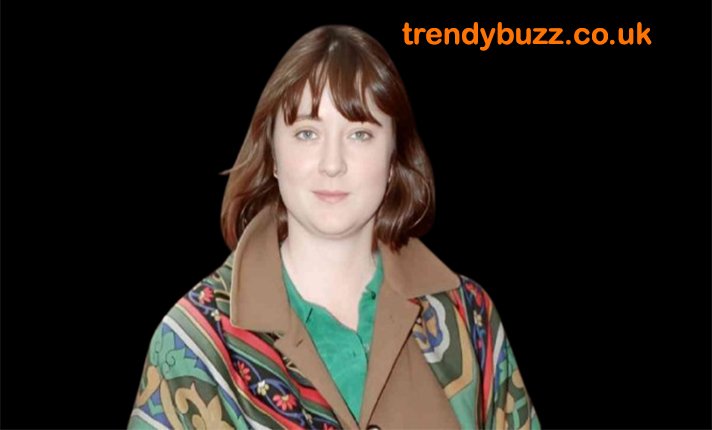
Josephine Burge is a name most people encounter in the margins of film histories: not for a body of public work, but for the role she played beside one of Britain’s most talked-about actors, Oliver Reed. Her story is not loud. It is about steadiness, privacy, and the choice to protect a personal life while living close to the glare of fame. The facts that are publicly known are straightforward: she began a relationship with Reed while still very young, married him in 1985, and largely stayed out of the press afterward.
How they met and the early years
Accounts place the beginning of Josephine and Oliver Reed’s relationship in the late 1970s or early 1980s. Multiple contemporary reports noted that the couple had dated for several years before marrying; press coverage at the time highlighted that Josephine was considerably younger than Reed and that their relationship had started while she was still in her teens. Those details fueled tabloid attention in a way that she evidently resisted.
The 1985 wedding
On September 7, 1985, Reed and Burge were married in a quick civil ceremony in Epsom, Surrey. Photographs from that day remain in news archives and image libraries, and they illustrate a quiet, small wedding rather than an extravagant public event. The marriage marked the formal start of a partnership that, by all public accounts, lasted until Reed’s death in 1999.
Life beside a headline-grabbing actor
Oliver Reed was famous for commanding screen roles and for a reputation that invited tabloid fascination. That made Josephine’s choice to stay largely private an intentional act. Where many celebrity partners lean into media opportunities, she appears to have done the opposite: keeping family matters out of the spotlight, prioritizing home life, and providing Reed with a stabilizing presence away from cameras and parties. Retrospectives written after Reed’s death underscore how those close to him viewed her as a moderating influence.
Family and privacy
Josephine and Oliver Reed raised a family together. While details about their children are intentionally scarce in public sources, available coverage emphasizes that Josephine worked to shield them from tabloid intrusion. That focus on privacy is central to the way she has been described in later profiles: as someone who preferred family and discretion to public recognition.
After Reed: a low profile
Oliver Reed died in 1999 while filming in Malta, an event widely reported and later noted as the end of a long, sometimes turbulent career. After his death, Josephine Burge did not pursue a public career or frequent media retrospectives. Instead, her presence in the public record is limited to occasional mentions in pieces about Reed and in archival photos. That persistent privacy is part of what distinguishes her from many celebrity spouses whose profiles change dramatically after a partner’s passing.
Why Josephine Burge matters
Josephine’s significance isn’t measured in credits or interviews. It’s in the decisions she made: to protect family life, to avoid spectacle, and to stand alongside a complicated public figure without turning the relationship into a platform. In modern celebrity culture, that kind of deliberate anonymity is unusual and instructive. It raises questions about the emotional labor partners of public figures perform—work that rarely appears in filmographies or awards lists but that shapes careers and personal lives nonetheless.
What the public record does and doesn’t show
Researching Josephine Burge shows how public narratives are shaped. Most reliable, contemporary documentation about her exists in the context of Oliver Reed’s life and career: newspaper reports from the 1980s, image archives capturing public appearances, and retrospective articles that reflect on Reed’s family. There is no extensive standalone public biography of Josephine Burge; her life is visible largely through the choices she made about privacy.
A note on sources and caution
Because Josephine Burge deliberately kept a low profile, many modern pieces about her draw on the same set of primary materials: contemporaneous newspaper reporting, archived photographs, and biographical entries about Oliver Reed that list her as spouse. For anyone looking to write more about her, the best route is to consult primary archives and verified press reports from the 1980s and 1990s rather than newer retellings that sometimes repeat the same details without sourcing.
Conclusion
Josephine Burge’s story is not a career arc you can map on IMDb. It’s quieter and, in many ways, more private: a life shared with a famous actor, a deliberate choice to protect family and distance herself from press spectacle, and a legacy that reads as emotional labor and discretion rather than public accolades. For readers interested in celebrity culture, she offers a reminder that not every life linked to a star is a public performance; some are careful, essential counterpoints to fame.
