
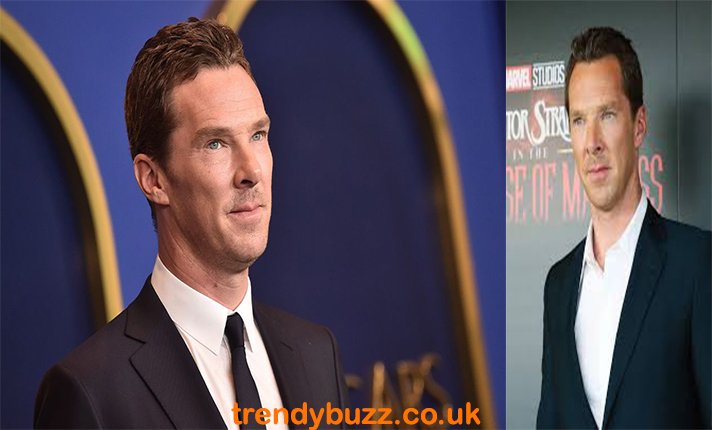
Early life and formation
Benedict Timothy Carlton Cumberbatch was born in London in 1976 into a family that moved easily between stage and screen. His parents were working actors and his childhood included afternoons backstage and the steady presence of rehearsals. That upbringing made the stage feel like a natural place for him to develop. After school he spent time abroad, studied drama at university, and completed classical training at a conservatory. The combination of a theatrical household and formal training gave him a vocabulary of techniques he still relies on: voice, rhythm, and an attention to physical detail.
A breakout role that changed everything
Although he had been steadily building a career, the role that made his name worldwide was a television adaptation that reimagined a famous detective for the present day. That performance announced him as an actor who could make high-speed verbal dexterity feel grounded and human. It also showed something rarer: the ability to control an overwhelming amount of information on screen while keeping emotional truth at the center. The series turned him into a household name and opened doors to films and stage projects that might otherwise have been out of reach.
Choosing projects with intent
After his breakthrough he resisted turning fame into a single typecast. He moved between high-profile films, intimate dramas, and demanding stage roles. He has a pattern: accept projects that challenge his instincts and give him room to explore a character’s inner life. He’s played historical figures and original creations, often choosing parts that require quiet intensity rather than broad spectacle. Even when he appears in big-budget films, his choices tend to favor characters with precise emotional needs, which keeps his work from blending into the background of blockbuster effects.
Stage work and the actor’s craft
Returning to theater has been a throughline in his career. The stage is where his craft is sharpened. Live performance forces an actor to make instantaneous choices and to sustain an emotional arc in real time. He has taken on Shakespeare, new plays, and solo pieces, and those experiences feed back into his screen work. Observers who have watched him shift between formats note that he moves with purpose. Theater keeps his timing exact, his vocal control intact, and his sense of rhythm in speech and gesture finely tuned.
Voice and narration as signature tools
Beyond film and stage, his voice work has become an essential dimension of his career. Whether narrating documentaries, reading audiobooks, or voicing animated characters, he uses clarity and modulation to great effect. His diction, ability to inhabit a tone, and the subtle pacing of his deliveries make him one of the more distinctive narrators working today. Those skills are not decorative; they deepen his screen performances by giving him an extended palette for conveying thought and tension.
Mainstream visibility and blockbuster balance
Joining a major cinematic franchise gave him immense exposure and tested his ability to balance commercial demands with artistic integrity. He approached that franchise work like any other role: with preparation, research, and an eye for what the character needs inside scenes that often prioritize visual spectacle. That franchise success expanded his audience but did not erase his interest in smaller, director-driven films. He has found ways to move between mainstream visibility and personal projects, which keeps his career both secure and interesting.
Public life, recognition, and responsibility
Recognition has followed his achievements in the form of awards and public honors. He has used the attention to support causes that matter to him, including charitable and cultural initiatives. That engagement suggests he sees public recognition as an opportunity to contribute rather than simply a marker of status. At the same time, being highly visible has meant navigating media scrutiny and correcting missteps when necessary. He has shown an awareness of the responsibilities that come with prominence.
Approach to roles and methods
His method is pragmatic. He researches, finds physical anchors for characters, and pays strict attention to vocal rhythm and timing. He values the small gestures that make scenes feel lived in rather than staged. Colleagues describe him as collaborative, someone who arrives ready but who also listens. That balance of preparation and openness is a recurring reason directors return to him. He treats acting as a craft that must be served, not a personality to be performed.
Legacy and the long view
What will endure about his work is a combination of technique and restraint. He demonstrates that visibility and artistic seriousness are not mutually exclusive. Whether he is leading a studio tentpole or carrying a story in a dimly lit theater, his performances tend to reward close attention. He is the kind of actor students study for craft rather than celebrity. His career suggests a model for actors who want both range and longevity: commit to training, choose roles that test you, and keep returning to the stage.
Final thought
Benedict Cumberbatch has built a career on steady curiosity and disciplined craft. He never looks like someone waiting for a moment to shine; he looks like someone prepared to do the work the moment demands. That steadiness is the quiet power behind his performances, and it’s what keeps audiences watching, critics interested, and directors calling.
