
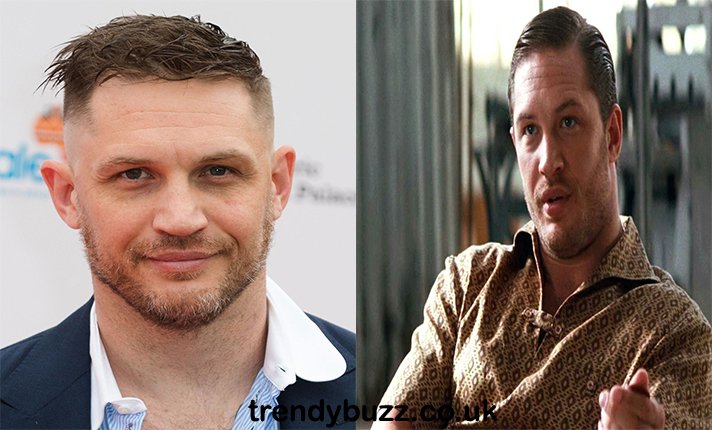
Early life and the making of an actor
Edward Thomas “Tom” Hardy was born in London in September 1977 and grew up in a household steeped in creativity — his mother an artist and his father a writer. He trained at Richmond Drama School and the Drama Centre London, where he developed the muscular physicality and psychological focus that would become his acting trademarks.
Breakout roles and a rugged range
Hardy’s rise wasn’t overnight. Early appearances in projects like Band of Brothers and small supporting roles gave way to a defining turn in Bronson, where he embraced obsessive intensity and transformation. From there he moved fluidly between studio blockbusters and smaller, riskier fare: Eames in Inception, the fearsome Bane in The Dark Knight Rises, and the scarred, volatile brothers in Legend. Those choices established him as an actor who can anchor epic spectacle and intimate character study with equal conviction.
Craft and collaboration
One reason Hardy feels unique on screen is his appetite for collaboration and preparation. Directors who work with him — Christopher Nolan, George Miller, Alejandro González Iñárritu and others — have praised his commitment to physical transformation and improvisational instinct. He’s known to immerse himself in dialect, movement, and even physical alteration of his body to find a character’s truth. This method can be exacting; it has produced deeply memorable performances and a reputation for bringing depth and vulnerability into balance.
Notable performances and industry recognition
Hardy’s filmography reads like a map of 21st-century gritty cinema: Mad Max: Fury Road, The Revenant, Dunkirk and the Venom films among them. His role in The Revenant earned him an Academy Award nomination for Best Supporting Actor, and he has collected a string of awards and nominations at BAFTA and other institutions, including a BAFTA win that acknowledged his early impact on screen. These accolades reflect both critical respect and his commercial pull — he moves audiences and studios in equal measure.
The business of being Tom Hardy
Hardy’s choices also show shrewd career management. He takes franchise roles that guarantee visibility and bankroll smaller projects that flex his range. As a producer and occasional writer, he has influenced projects from development through production. This dual role — performer and creative partner — keeps him invested in the projects he chooses and helps explain why he appears selectively, rather than blending into a steady stream of interchangeable star vehicles.
Recent work and a turn toward television
In recent years Hardy has expanded further into television and streaming while maintaining a presence in cinemas. He starred in the crime drama MobLand on Paramount+, which quickly found a large audience and was renewed thanks to strong viewership and critical attention. He also led the Netflix thriller Havoc and returned in the Venom franchise, showing a willingness to alternate prestige material with populist entertainment. These projects demonstrate an actor comfortable navigating today’s multiplatform landscape.
Physical toll and the cost of intensity
Hardy has been candid about the price of performing in physically demanding roles. In interviews he has described multiple surgeries and chronic injuries tied to action-heavy filmmaking — a reminder that method and spectacle can exact a personal cost. That honesty has shifted public conversations about how action stars manage long-term health and balance career ambition with bodily limits.
Persona off-screen
Off-camera, Hardy cultivates a low-key, private life. Married to actress Charlotte Riley and a father, he keeps much of his family affairs out of tabloids and public spectacle. Still, he surprises with candid, sometimes wry appearances in interviews and on social media, where he shows a quick wit that contrasts with his on-screen ferocity. That contrast — private, warm, and genial versus intense, often brutal characters — is central to his appeal.
Why Hardy matters now
What makes Tom Hardy compelling is not simply his physical transformations or choice of projects; it’s the combination of risk and restraint. He can disappear into roles without losing a recognizable core presence, and he seems to pick work that challenges him rather than comforts him. In an industry that often prizes youth and fresh faces, Hardy’s career is a study in longevity built on reinvention, curiosity, and an evident love for the craft.
Watching forward
Hardy’s next steps feel open rather than inevitable. He’s proven he can anchor tentpoles and intimate dramas, and recent renewals and releases suggest we’ll keep seeing him across formats. Whether he leans into even more producing and writing or chooses to pare back the physical intensity of certain roles, his presence will likely shape the kinds of films and series that get made — if only because filmmakers know what he brings to a set. For audiences, that means more unpredictable, well-wrought performances to look forward to.
He has shown an affinity for television roles that linger. His Alfie Solomons in Peaky Blinders became a scene-stealing fixture, blending menace with tenderness and comic timing. That turn reinforced his skill at making morally complicated characters feel human.
Hardy’s approach to preparation sometimes becomes part of the stories told about his shoots: extensive physical training for Mad Max: Fury Road, immersion in dialects and mannerisms for London-based characters, and a willingness to rehearse long sequences until the camera catches an unforced truth. Collaborators credit him for bringing intensity without ego — a professional focus that elevates material rather than overshadowing it. This craftsmanship explains why filmmakers repeatedly call on him for roles that demand both physical bravery and emotional subtlety.
For viewers, part of the pleasure is seeing which edge he will find next. He can play muscle and menace one year and a quietly devastating interior the next. That elasticity makes his career feel like a series of creative leaps. If anything links his work, it is a preference for characters at extremes and an actor’s determination to tell their stories honestly. Expect more surprises and boundary-pushing performances ahead.
