
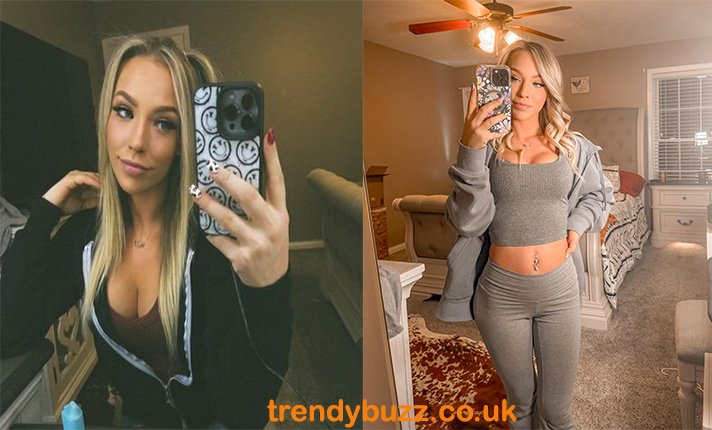
Who is Taylor Breesey?
Taylor Breesey is a social media creator who’s built a sizable audience by sharing rural-life videos, fashion clips, and short vignettes of farm work — and by almost never showing her full face. That choice of partial anonymity is now central to how people talk about her: not just as a country-style content creator, but as an example of the “faceless” influencer model.
The look and the lane
Her content leans hard into wide-open fields, pickup trucks, denim and boots, hands working on a project, and close-up details that stop short of a full portrait. The mood is grounded and tactile: viewers get texture, motion and place, rather than a conventional selfie experience. She posts short-form reels and clips on platforms where that kind of cinematic, mood-driven content performs well.
Why she keeps her face hidden
There are a few overlapping reasons creators like Breesey choose to withhold a direct face reveal. Privacy is a major factor: keeping a face out of frame reduces the likelihood of doxxing and unwanted attention, and it keeps the creator’s private life more separate from their public work. Another reason is creative control: when you remove a fixed face from the feed, you force the audience to focus on atmosphere, narrative and recurring visual cues — a hat, a truck, a pair of hands — which become the brand’s identifiers. Finally, mystery is itself a growth tactic. Unanswered questions fuel conversation, and conversation fuels algorithmic reach.
How the approach scales
You might assume that hiding your face limits reach. In practice, it does not have to. Platforms reward watch time, shares and comments; if your content keeps people watching and talking, it can scale. Profiles built around this kind of niche authenticity — rural life, hands-on hobbies, and a consistent aesthetic — have reached six and seven figure audiences. That growth opens up typical influencer revenue streams: sponsored placements, affiliate links, branded merchandise, and platform monetization. Public write-ups about her and similar creators note that anonymity and monetization are not mutually exclusive when the content and community are strong.
The audience relationship
A faceless persona changes the way followers engage. Instead of dissecting a person’s appearance, followers project stories, speculate and form a participatory habit: they return to weigh in on new clues, debate theories, and share content that keeps the mystery alive. That participatory loop often tightens the sense of community and increases engagement metrics — exactly what creators need to keep growing on short-form platforms.
Downsides and real risks
Anonymity reduces some risks but brings others. Without a clear, public identity there is a higher chance of misattribution or impersonation. Fake accounts and rumor mills can spread inaccurate personal details. There is also a vulnerability unique to private public figures: when private content or unverified leaks surface, the creator can be harmed in ways they cannot fully control. There are documented cases across the influencer space where private material circulated on fringe channels, prompting talk about consent, platform responsibility and legal recourse. Creators who choose privacy still need robust protection strategies.
What a face reveal would actually change
A face reveal is not just a visual event; it changes the dynamic of the brand. On the positive side, revealing a face can unlock mainstream media coverage, new partnership types and larger-scale brand deals. On the negative side, it can collapse the mystique that made the account distinct. The reveal often shifts audience attention from the conceptual content to the person’s background, appearance and private life — which can be a strategic gain or a strategic loss depending on how the creator wants to evolve.
What brands and creators should learn
For creators: be deliberate. Decide early what parts of yourself you will protect, and build revenue channels that don’t require complete public exposure. For brands: if you work with faceless creators, design campaigns that fit the creator’s aesthetic — product placements, mood-driven storytelling, and lifestyle integrations work better than expecting a direct personal endorsement. That flexibility often yields campaigns that feel authentic on both sides.
Practical steps for a faceless creator
- Establish clear boundaries and a public policy for sponsorships.
- Keep backups and provenance records for original media.
- Use contracts that specify use rights and what constitutes a “face reveal” or personal disclosure.
- Monitor impersonation and register trademarks for brand identifiers where possible.
- Consider legal avenues and takedown procedures in advance for private content leaks.
Final thought
Taylor Breesey’s model shows that influence can be more than visibility. It can be a carefully managed invitation: come for the atmosphere, stay for the story, and respect the boundary. Whether or not she ever chooses to reveal her face, her approach highlights an important trend for the next phase of online creators control over personal exposure can be a feature of a sustainable brand, not a barrier to growth.
